

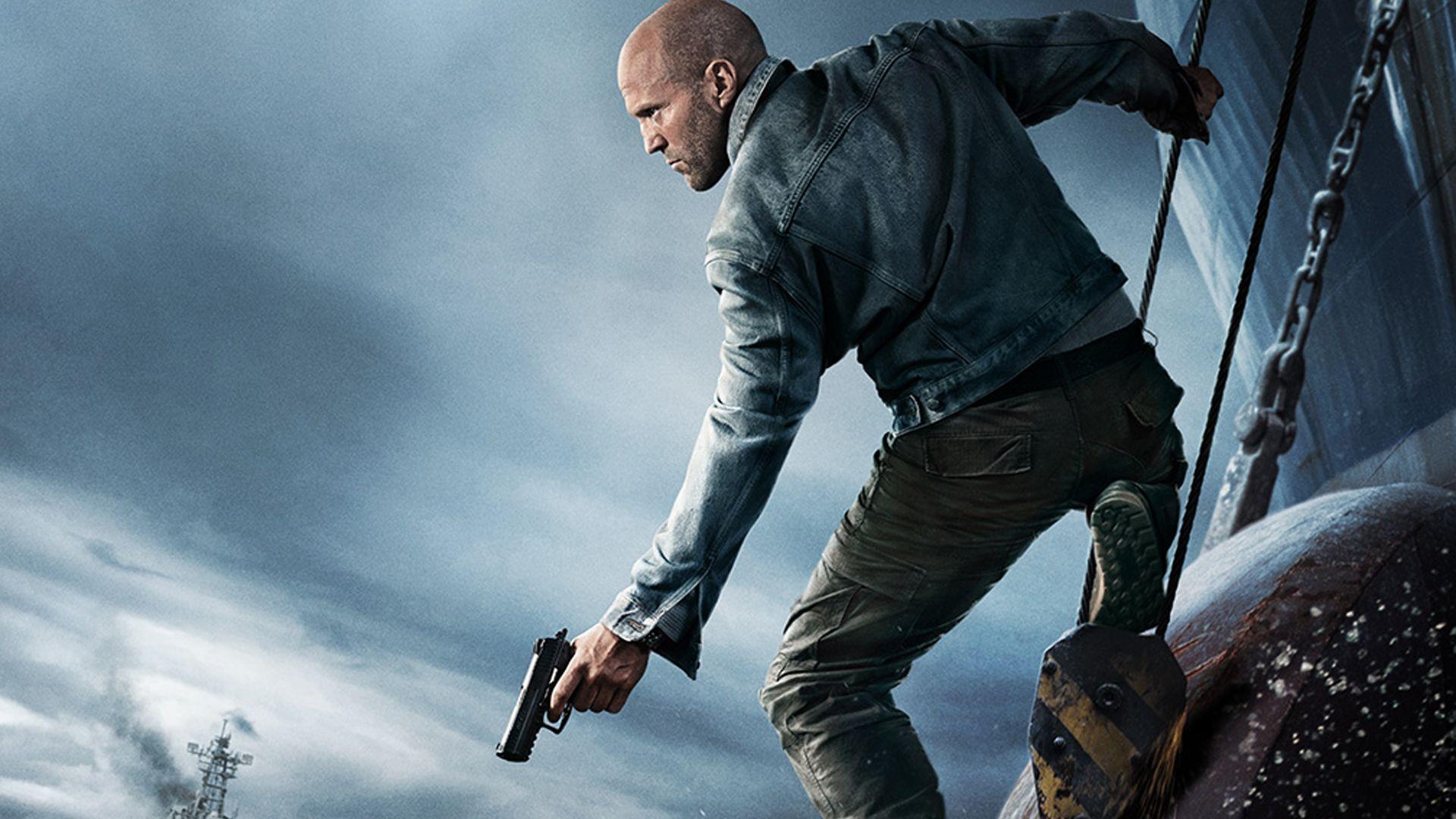
Guy Ritchie’s recent stretch of action films may not always reach critical highs, but they have developed a distinct identity that makes them oddly hard to dismiss. Even when the execution doesn’t rise above a three-star level, there’s something consistently engaging about his work. From the gritty intensity of Wrath of Man, to the playful absurdity of Operation Fortune, and the uneven charm of The Ministry of Ungentlemanly Warfare, Ritchie continues to craft films that feel intentionally designed as elevated B-movies.
What sets these films apart is not perfection, but energy. Ritchie clearly cares about the craft of genre filmmaking. His direction carries a smooth, almost tactile sense of movement, and even when the scripts are uneven, the films feel alive stylish, controlled, and made with genuine enthusiasm rather than assembly-line detachment.
A Struggling Release Pattern
Despite this creative consistency, Ritchie’s recent films have struggled commercially. Wrath of Man performed reasonably well overseas, but his later projects have faced increasingly unstable releases. Operation Fortune was reshuffled, retitled, and ultimately underperformed, even landing directly on streaming in several regions. The Ministry of Ungentlemanly Warfare followed a similar path, failing to recover its budget after a weak box office run.
Now comes In the Grey, a slick action thriller shot in 2023, bought and redistributed by Lionsgate, and repeatedly rescheduled before finally arriving in cinemas with little promotional momentum. The lack of press screenings also raised eyebrows, suggesting limited confidence from distributors. Even so, the film manages to surprise.
A Surprisingly Fun but Flawed Thriller
Against expectations, In the Grey may be one of Ritchie’s most purely entertaining films in recent years. It is messy at times, especially in its final act where editing feels rushed and certain plot mechanics don’t fully hold together. The narrative can also become overly complicated, weighed down by exposition-heavy sequences.
Still, the film succeeds where it matters most: entertainment. It maintains a steady rhythm of action, style, and character interplay that keeps it consistently engaging. Unlike many modern action films that rely heavily on ironic humor or self-awareness, Ritchie largely avoids forced quips and instead allows tension and stakes to drive the experience.
There is a surprising seriousness to much of the storytelling. While not as grounded as Wrath of Man, it still treats its world with enough gravity that the audience understands what is at stake. Action sequences unfold with clarity and intensity, avoiding the trend of undercutting tension with unnecessary jokes.
Story and Characters
The film centers on Rachel (Eiza González), a skilled lawyer working for a shadowy financial organization that targets dangerous debtors. Her latest assignment involves recovering $1 billion from Salazar (Carlos Bardem), a powerful figure whose previous confrontation with the firm ended violently.
After the disappearance of a previous lawyer, Rachel is assigned protection in the form of two operatives: Sid and Bronco (Henry Cavill and Jake Gyllenhaal). Together, they devise a high-risk plan to extract Rachel safely while forcing Salazar into negotiation.
Rosamund Pike also appears as Bobby, a corporate figure with sharp intelligence and limited screen time, but strong presence. The dynamic between characters adds energy to the plot, even when the narrative structure becomes overly complex.
Style, Tone, and Performances
One of the film’s strengths lies in its tonal confidence. Ritchie blends planning sequences, location setups, and procedural detail with stylish visuals and brisk pacing. At times, the film feels overloaded with exposition, but even these moments carry a certain visual flair.
There is also a playful undercurrent between characters, particularly in the chemistry between Cavill and Gyllenhaal, whose dynamic leans into an intentionally ambiguous, almost theatrical camaraderie. González anchors the film well, balancing intelligence and emotional control, while Pike’s brief appearances leave a sharp impression.
The action is paired with a powerful, bass-heavy score that enhances the tension and movement of each sequence. Even when logic stretches thin, the film maintains momentum through editing, sound, and performance energy.
Weaknesses
Despite its strengths, In the Grey is far from flawless. The story becomes cluttered, especially in its final stretch, where pacing issues and abrupt transitions weaken the resolution. Some narrative choices feel underdeveloped, and certain sequences appear trimmed or rearranged in ways that reduce clarity.
The ending, while satisfying in concept, arrives suddenly and lacks the smooth payoff that earlier parts of the film build toward. This uneven conclusion slightly undermines an otherwise engaging experience.
FAQs
What is In the Grey about?
In the Grey follows a lawyer and a team of operatives attempting to recover a massive debt from a powerful criminal figure while navigating dangerous political and physical threats.
Who directed In the Grey?
The film is directed by Guy Ritchie, known for stylized action films like Wrath of Man and The Gentlemen.
Is In the Grey connected to Guy Ritchie’s other films?
No, it is a standalone action thriller and not part of any shared universe.
Who are the main cast members?
The film stars Eiza González, Henry Cavill, Jake Gyllenhaal, Rosamund Pike, and Carlos Bardem.
Is the movie worth watching?
If you enjoy stylish, fast-paced action films with strong performances and don’t mind a messy plot, it offers solid entertainment.
What are the main criticisms of the film?
Critics point to an overly complicated story, uneven pacing, and a rushed ending as its biggest weaknesses.
Does the film focus more on action or story?
It balances both, but leans heavily on action sequences and character dynamics rather than a tightly structured narrative.
Will there be a sequel?
There is currently no official announcement regarding a sequel.
Conclusion
In the Grey is not a polished masterpiece, nor does it attempt to be. Instead, it stands as another entry in Guy Ritchie’s evolving catalogue of stylish, mid-budget action films that prioritize energy over precision. While uneven and occasionally messy, it remains consistently watchable and often genuinely fun.
It may not break new ground, but it reinforces Ritchie’s strength as a filmmaker who understands pacing, tone, and the mechanics of entertaining chaos. In a cinematic landscape increasingly dominated by formulaic action, In the Grey feels like a reminder that controlled disorder can still be enjoyable—even when it doesn’t fully come together.
