

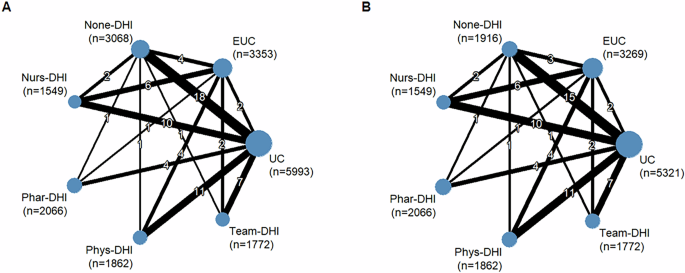
Understanding the exact impact of individual elements within complex medical treatments is essential for improving patient care and healthcare outcomes. A statistical method called component network meta-analysis (CNMA) provides researchers with a more detailed way to evaluate complex healthcare interventions. Unlike traditional analysis methods, CNMA helps identify which specific components of a treatment are most effective, offering deeper insights into how combined therapies work.
What Is Component Network Meta-Analysis?
Many healthcare treatments involve multiple components working together. For example, a fall prevention program may combine physical exercise, cognitive behavioural therapy, dietary support, and assistive devices. Traditional network meta-analysis (NMA) compares entire treatment packages but usually considers each combination as a single intervention. This can make it difficult to determine which individual element is actually driving the positive results.
Component network meta-analysis extends traditional NMA by separating these combined interventions into individual components. Researchers can then estimate the effect of each element independently while also examining how those components interact with one another.
CNMA can evaluate:
- Additive effects – where the total treatment effect equals the combined impact of each individual component.
- Interaction effects – where components work together either positively (synergistically) or negatively (antagonistically), changing the overall effectiveness of the treatment.
This approach provides a much clearer understanding of how multi-component medical interventions influence patient outcomes.
Why CNMA Matters in Healthcare
The detailed insights provided by component network meta-analysis can significantly improve evidence-based medicine and clinical decision-making. By identifying the most beneficial parts of a treatment, healthcare professionals can design more targeted and efficient care strategies.
Key benefits of CNMA include:
- Identifying which treatment components contribute most to successful outcomes.
- Supporting personalised healthcare approaches tailored to individual patient needs.
- Helping healthcare systems allocate resources more efficiently by focusing on effective components.
- Guiding researchers in designing better clinical trials that focus on promising treatment combinations.
For example, CNMA has been applied to prehabilitation programs for surgical patients. These programs may combine exercise, nutritional support, psychological therapy, and cognitive interventions before surgery. Using CNMA, researchers can determine which components are most effective in improving recovery after surgery and which combinations deliver the best results.
Challenges in Implementing CNMA
Although CNMA offers valuable insights, implementing the methodology is complex and requires specialised expertise. Successful analysis often depends on collaboration between clinicians, statisticians, and research methodologists to ensure the models are scientifically valid and clinically meaningful.
Researchers must carefully evaluate assumptions about how treatment components interact and whether their effects can realistically be added together. Properly accounting for these interactions is critical to producing accurate and reliable conclusions.
Despite these challenges, CNMA is becoming an increasingly important tool in modern medical research because it provides a more detailed understanding of complex healthcare interventions.
FAQs
What is component network meta-analysis (CNMA)?
Component network meta-analysis is a statistical method used to evaluate the individual effects of different components within complex medical treatments or interventions.
How is CNMA different from traditional network meta-analysis?
Traditional network meta-analysis compares complete interventions as single units, while CNMA separates treatments into individual components to identify which elements contribute most to the results.
Why is CNMA important in healthcare research?
CNMA helps researchers and clinicians better understand which treatment components are most effective, supporting more personalised and efficient patient care.
What are additive effects in CNMA?
Additive effects occur when the total effect of a treatment equals the combined effects of its individual components.
What are interaction effects in CNMA?
Interaction effects happen when treatment components influence each other, either enhancing or reducing the overall effectiveness of the intervention.
Where can CNMA be applied?
CNMA can be used in many medical fields, including rehabilitation, mental health, surgery preparation programs, chronic disease management, and preventive healthcare interventions.
Does CNMA require specialised expertise?
Yes, implementing CNMA typically requires collaboration between clinicians, statisticians, and research experts to ensure accurate and reliable analysis.
Can CNMA improve personalised medicine?
Yes, CNMA can support personalised medicine by helping clinicians identify the most beneficial treatment components for individual patients.
Conclusion
Component network meta-analysis is transforming the way researchers study complex medical treatments. By isolating and evaluating the effects of individual treatment components, CNMA helps clinicians and policymakers make more informed healthcare decisions. This advanced analytical approach supports the development of more personalised, efficient, and evidence-based medical strategies while also improving future clinical research. As healthcare interventions become increasingly complex, CNMA is likely to play an even greater role in shaping modern patient care and treatment optimisation.
