

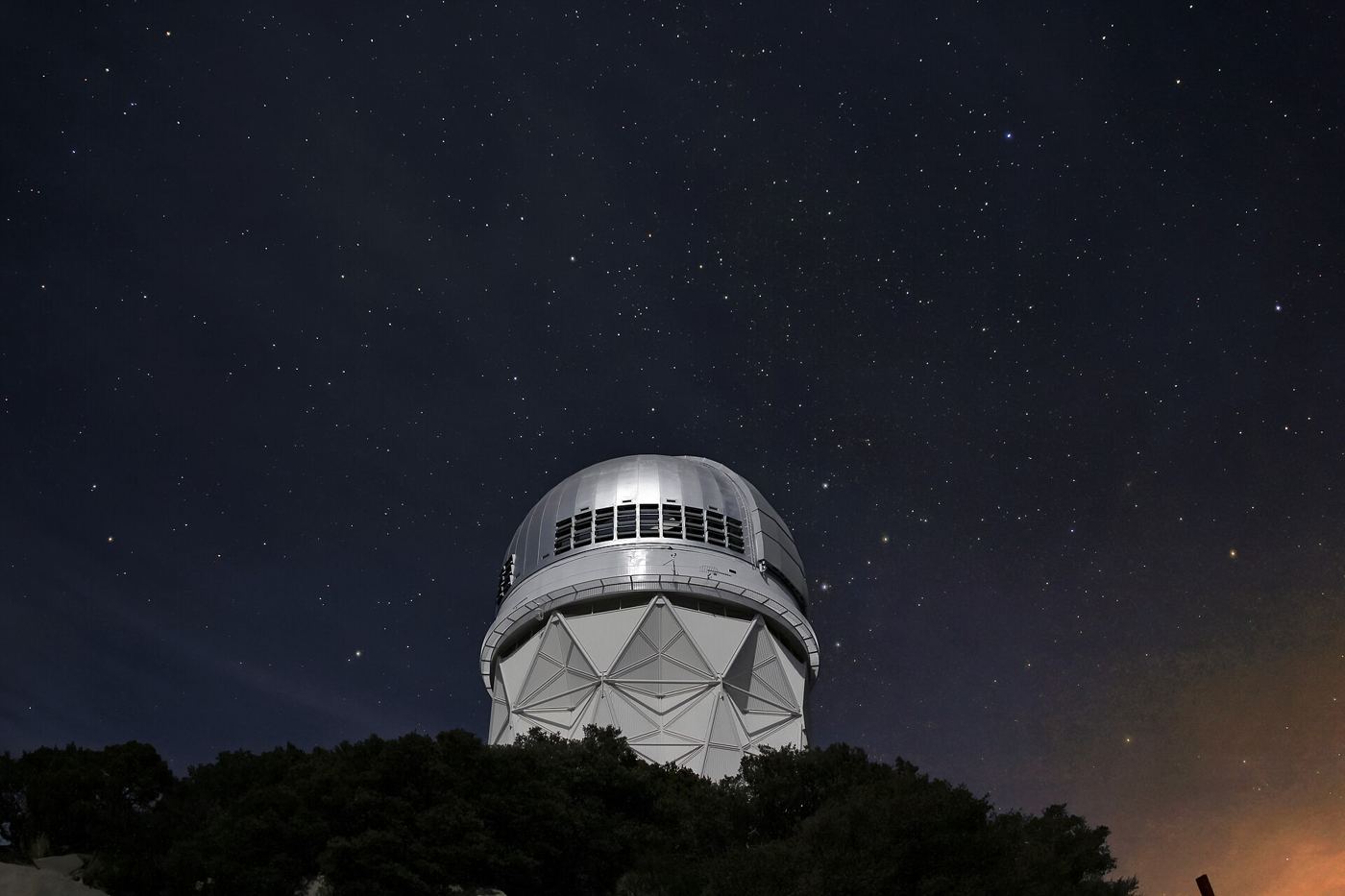
Winter brings some of the year’s most rewarding nights for watching the sky. Long hours of darkness, crisp air and several reliable meteor showers give amateur astronomers plenty to look for, and backyard observers now contribute far more than casual sightings. Equipped with modest telescopes, cameras and careful notebooks, they record the brightness, path and timing of meteors streaking overhead. Those observations, shared with astronomy groups, help refine predictions of when showers will peak and how rich they are likely to be. Even without a telescope, a warm coat, a reclining chair and patience are enough to take part in the count. Clubs make the hobby welcoming for beginners. Experienced observers lend charts, explain how to dress for hours of stillness in the cold and share the unwritten rule that red torchlight protects everyone’s night vision. Many groups pair meteor counting with hot drinks and constellation tours, turning a scientific session into a social one.
What the Evidence Shows
Organised meteor watching follows a few simple rules that make the results scientifically useful. Observers note the limiting brightness of their sky, record each meteor’s apparent path, and take regular breaks so that tired eyes do not distort the count. Cameras mounted beside telescopes capture the brightest fireballs, sometimes preserving details of colour and fragmentation. Comparing reports from different locations helps researchers separate genuine shower meteors from sporadic ones arriving from random directions. For many participants the appeal is double: a peaceful night outdoors and the knowledge that a careful tally, added to hundreds of others, genuinely improves understanding of dust trails left by comets. The data collected on these nights feeds quietly into professional research. Meteor streams are the debris of comets, and their strength varies as Earth crosses denser or thinner parts of the trail. Long runs of amateur counts reveal those variations better than any single observatory could. Reporting and analysis from sources such as Nature track the same developments, and specialists following winter meteor watching say the direction is now consistent across independent lines of evidence.
The Wider Context
The wider context is a research landscape in which replication and open data now decide reputations. Findings connected to winter meteor watching are being checked by independent groups with shared datasets, and the teams involved publish their methods in full so rivals can test every step. That discipline is slower than a headline cycle, but it is why results in this area increasingly survive first contact with scrutiny.
What Happens Next
What happens next in the story of winter meteor watching will be decided by follow-up work already under way: larger samples, longer observation and instruments that have not yet come online. The researchers involved are unusually united on one point, that the current results justify the next investment of time and money. Readers will not have to wait long for the first tests of that claim. You can follow related developments in our coverage of science.
None of this will be settled by a single announcement, study or product launch. The pattern to watch is accumulation: independent confirmations, honest reporting of failures and steady improvement in the underlying numbers. Readers who follow those signals, rather than the loudest claim of the week, will understand this subject better than most of the commentary surrounding it suggests is possible.
