

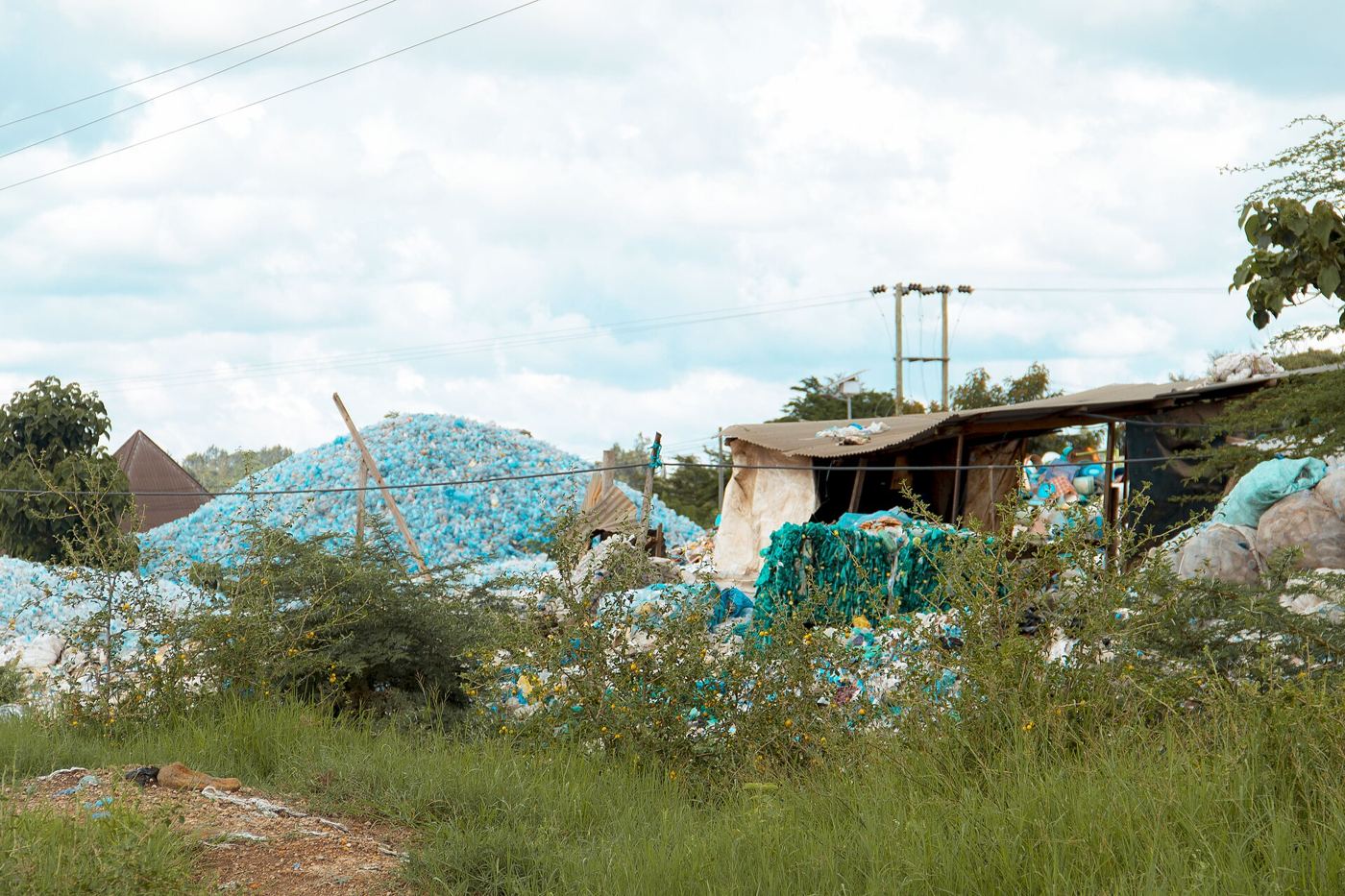
A study reported by KAIST on November 10 shows that the label biodegradable can hide an important catch: the disposal environment matters as much as the material itself. Researchers compared three supposedly biodegradable plastics in oxygen-poor landfill leachate, rather than assuming that results from industrial composting would apply everywhere. The team incubated PHB, PLA and PBAT at 35 degrees Celsius for as long as 320 days, with conventional polyethylene as a comparison. Crucially, they measured mineralisation, the share of plastic-derived carbon actually converted into gases, not merely whether a film cracked into smaller pieces. PHB reached 99.9 percent mineralisation within 17 days, PLA eventually reached 83.6 percent after 320 days, while PBAT reached only 2.7 percent and conventional polyethylene 0.4 percent.
What the Evidence Shows
The results expose a gap between what consumers believe and what actually happens to their waste. A product labelled biodegradable may still sit in a landfill for years if the local conditions do not match the industrial composting environment it was tested in, and fragments that merely break apart can become microplastics rather than disappearing. The study does not say biodegradable plastics are useless, but it does say the label needs context: how a product is disposed of matters as much as what it is made from. Better labelling, better composting infrastructure and honest claims about where products actually break down would all help. Until then, reducing plastic use remains the most reliable option. Consumers can help by checking local composting rules before buying products marked biodegradable, since a label that promises the material will break down means little without the right disposal route, and honest information at the point of sale is essential for making the choice worthwhile. Reporting and analysis from sources such as Nature track the same developments, and specialists following biodegradable plastics failing in real landfill conditions say the direction is now consistent across independent lines of evidence.
The Wider Context
The wider context is a research landscape in which replication and open data now decide reputations. Findings connected to biodegradable plastics failing in real landfill conditions are being checked by independent groups with shared datasets, and the teams involved publish their methods in full so rivals can test every step. That discipline is slower than a headline cycle, but it is why results in this area increasingly survive first contact with scrutiny.
What Happens Next
What happens next in the story of biodegradable plastics failing in real landfill conditions will be decided by follow-up work already under way: larger samples, longer observation and instruments that have not yet come online. The researchers involved are unusually united on one point, that the current results justify the next investment of time and money. Readers will not have to wait long for the first tests of that claim. You can follow related developments in our coverage of science.
None of this will be settled by a single announcement, study or product launch. The pattern to watch is accumulation: independent confirmations, honest reporting of failures and steady improvement in the underlying numbers. Readers who follow those signals, rather than the loudest claim of the week, will understand this subject better than most of the commentary surrounding it suggests is possible.
